



Lawns might be the poster-child for the perfect yard, but they don’t have the same reputation when it comes to eco gardening! If you’re looking for ways to support local wildlife and pollinators, or if you just want to save some money on lawn maintenance, consider creating an eco garden instead.
Why Aren’t Lawns Eco-Friendly?
While it’s easy to love the traditional manicured lawn, most lawns are composed of two kinds of grass and little else—that’s not a lot of variety for our pollinators and wildlife! When you consider the amount of power and gas North Americans spend on mowing, plus the water and fertilizer required to keep the lawn lush, the cost grossly outweighs the aesthetic appeal.
By changing to less lawn and more garden, you’ll be doing both yourself and the ecosystem around you a tremendous service!
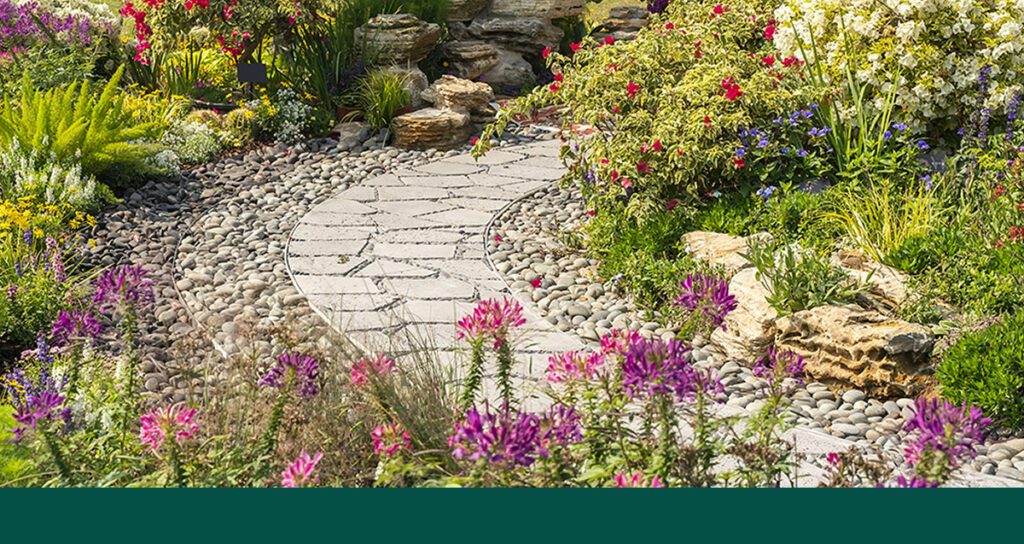
How Do I Create an Eco-Friendly Garden?
There are a few big-picture concepts that contribute to an eco-friendly garden. The first is considering what kind of garden you want to replace your lawn with; we have some ideas below to get you started. The second is to consider what will go into that garden. Regardless of your choice, we highly recommend native species to your region and plants that will naturalize your garden.
Native species are hardy during all seasons and, once established, require very little maintenance. They foster a healthy ecosystem and support all of the happy little pollinators that keep our flowers growing year after year.
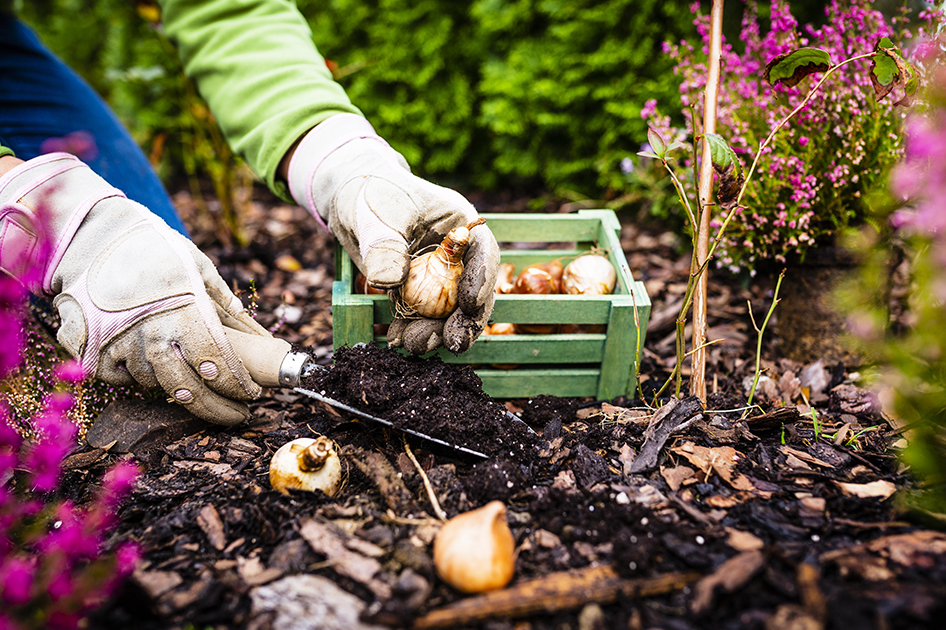
Naturalization occurs when a plant spreads year after year, attracting pollinators as they do so. There are multiple bulbs that are excellent naturalizers, including Lycoris radiata (Spider Lily), Convallaria Bordeaux (Lily of the Valley), and Zephyranthes candida (Rain Lily). The benefits of planting naturalizers might take some patience, but in a few years, you’ll have a rich, beautiful garden that is full of lush blooms!
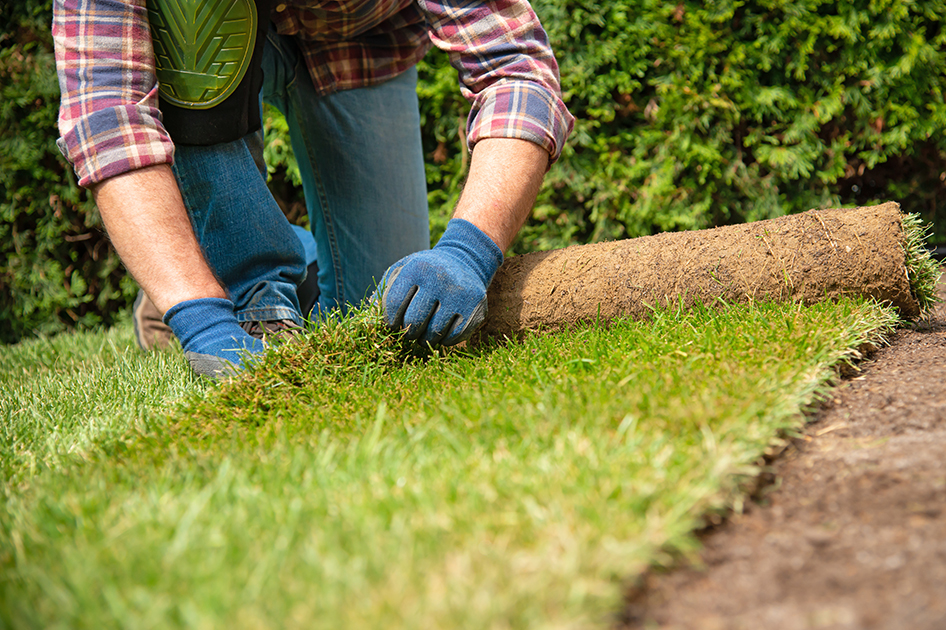
How Do I Dispose of the Sod?
If you’re taking the plunge to replace your lawn with eco alternatives, you’ll probably end up with a bunch of sod that you no longer need. Of course, we will not let that rich soil go to waste! You can create a compost pile with your sod or add it incrementally to an existing compost system. Once all the grass decomposes, it can give back all its nutrients to your garden.
Eco-Friendly Alternatives
Vegetable Garden
Everyone loves homegrown vegetables! Maintaining a vegetable garden is good for you and the environment, saving you money at the grocery store and adding great vegetation to your backyard ecosystem.
If you already have a veggie garden and you love working in it, consider expanding your garden or adding another bed in a different location. Interspersing little veggie gardens throughout your yard is a great way to keep a natural-looking yard if the massive garden bed isn’t your style.
Flower Gardens
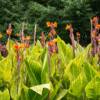
We love flower gardens and cannot recommend them enough! Flowers make people smile, and we all deserve a bit of happiness each day. Whether you opt for a wildflower garden that grows as it sees fit or if you design a color-themed garden, our pollinator friends will be grateful. Consider Gladiolus, Windflowers, or Calla Lilies for bright, vibrant colours in your garden.
If you want some space amongst your flowers, consider using mulch or rock mulch to fill in the space and prevent weed growth. It will also help retain water and protect the roots from extreme heat.
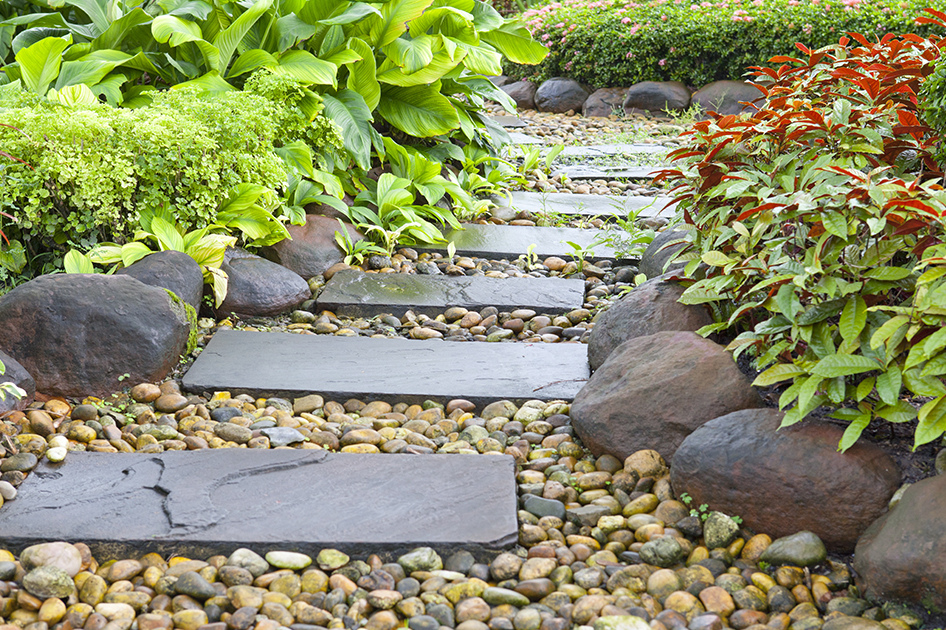
Rock Gardens and Pathways
If you want a super low-maintenance yard, rocks are your friend. They are eco-friendly, let water pass through for proper retention, and you can plant low-maintenance native plants and trees amongst the rocks. Eco-friendly can be an excellent option for the lazy gardener.
If you need some naturalizing bulbs for your eco garden in 2022, feel free to contact us, and we can review our spring bulbs with you to help you find the best fit!