

We’re blooming with orders! 🌸 Although your acknowledgment shows 7–10 business days, shipping is currently taking 10–12 business days from the process date. Thank you for your patience and support!

We’re blooming with orders! 🌸 Although your acknowledgment shows 7–10 business days, shipping is currently taking 10–12 business days from the process date. Thank you for your patience and support!

Toll Free: (877) 661-2852
Log In

Due to high order volumes in our warehouse, please note that any new orders will not ship until after Thanksgiving. Your order confirmation will indicate a 7-10 business day shipping timeframe from the processing date, but please expect delays. Thank you for your patience and understanding during this busy season!

We’re blooming with orders! 🌸 Although your acknowledgment shows 7–10 business days, shipping is currently taking 10–12 business days from the process date. Thank you for your patience and support!

Learn More. Grow More.

September 12, 2019

How to Protect Your Bulbs from Squirrels

the bulb blog brent & becky's

protect bulbs from squirrels header


As long as we have been planting fall bulbs, we have been bothered again and again by those not-so-friendly visitors: squirrels. Anxious for a nibble of our freshly-planted tulips and crocuses, they ransack our fall plantings and leave us empty-handed in spring. So, what do we do to protect them?


Why Squirrels Eat Bulbs

While their ruthless scavenging may be frustrating to wake up to the day after careful planting, the truth is, their excavating escapades are actually far more than just a tasty treat. In fact, bulbs are one of the few ways that squirrels can get the nutrition they need! Strangely enough, although they may be herbivores, squirrels can’t digest cellulose, a key component of green plants (and by a key component, we’re talking 90%!). So, given that most of the herbivore diet is then eliminated, their options for plant-based meals are seriously restricted.

In order to survive, squirrels must rely on other plant-based materials that are rich in proteins and fats that can keep them going for long periods at a time. And, while nuts are usually a great way for them to get that, they tend to become a bit harder to come by as the days grow colder. So, a starchy flower bulb planted right in front of them suddenly becomes pretty hard to resist.


protect bulbs from squirrels pot


How to Stop Squirrels from Eating Bulbs

Just because we know why the squirrels enjoy dining on our fall bulbs, doesn’t mean we want them digging up all our hard work. So, in order to keep our garden planted and protected, there are a few steps we can take to keep them at bay:

Create a wire barrier. The easiest way to stop curious critters from digging is to put an actual barrier in the way. Trouble is, while we want to keep the squirrels from getting in, we want our blooms to still be able to make their way out. Chicken wire is a great way to do both at once. The wire mesh is too tough for the devilish diggers to penetrate, but still leaves enough room for stems and blooms to make their way through in spring. Simply lay down a layer of wire mesh on top of the soil after planting and cover with a layer of mulch—which will also help to regulate temperatures and moisture in the soil all winter long!—and watch as your bulbs poke through in spring without trouble.

Create bulb cages. If a full layer of wire mesh on top of your garden isn’t your idea of a perfectly planted fall bed, you can also just add a layer around those bulbs that the squirrels love most. How? You might be able to find pre-built bulb cages at your local garden center, but you can also make your own from scratch using the same chicken wire. Simply form the wire mesh into a bowl shape, place your bulb inside, and top it off with a wire lid. Then, just fill with soil and plant at the normal depth.


protect bulbs from squirrels wire net


Use repellents. Many garden centers will often carry a few rodent or deer repellents that can be useful in keeping squirrels at bay, most usually repel using a scent. We highly recommend a product called Plantskydd. It’s 100% natural and safe, and its formula triggers a prey response in critters that naturally they want to avoid! Plus, you don’t need to reapply after rain or irrigation.

Hide the bulbs under groundcovers. Freshly turned soil for a squirrel is like a red flag for a bull: a big, flashing sign that says, “Look right here!” So, by planting your bulbs under existing fall plants and groundcovers like ivy or vinca, squirrels will have a harder time seeking them out.

Mulch with gravel. Gravel can be a great way to keep your garden looking crisp and clean, while also providing some of the temperature- and weed-regulating benefits of traditional mulch. Plus, it’s also a pain for squirrels to dig through (literally)!


protect bulbs from squirrels scilla repellent


Bulbs to Deter Squirrels from Your Garden

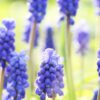
While there are certain bulbs that squirrels just can’t seem to resist, like tulips and crocus, there are some others that squirrels just can’t stand. And by planting these less desirable finds around the tasty treats, you can effectively create an all-natural deterring barrier to protect your classic spring-bloomers. Bulbs that are great at keeping squirrels at bay include daffodils, alliums, and scillas—and, lucky for you, they’re all beautiful bloomers you won’t mind having around to fill your beds!


Squirrels may be cute to catch munching away on an acorn in a tree, but finding them neck-deep in a hole in your garden bed isn’t their greatest look. With these tried and true protection methods, though, you can be sure to keep your spring-bloomers safe from even the craftiest of critters!
 

Recent Articles

NEW BLOOMS FOR 2026

Subscribe Today

By signing up here, you’ll be able to hear from us regarding gardening tips and tricks, product details and sales announcements customized just for you!

So, sign up below, and we’ll take care of the rest!​

* indicates required

Celebrating 125 Years Together

Thank you for being part of our journey.

For 125 years, we’ve had the privilege of serving you—our valued customers. What began as a simple catalog has grown into a cherished tradition, connecting generations through quality, service, and trust.

This milestone wouldn’t have been possible without your loyalty and support. As we celebrate this remarkable anniversary, we’re reminded that you are at the heart of everything we do.

Here’s to the past, the present, and a future filled with possibilities—together.

With gratitude,
Brent and Becky, Jay and Denise and the entire staff

IconDescription
Pollinator friendly plants, may include butterflies, bees, hummingbirds, beneficial insects and more!
Long bloom time
Resistant to critters, may include deer, rabbits, voles, etc.
Those items that are known to be inedible to critters
Drought tolerant once established
Full sun
Part sun
Shade
Fragrant flowers and/or foliage
New item for this season
A favorite of Brent and Becky’s as it has consistently performed well in the gardens year after year
Available again this season after being gone for a while
Denotes an item that is shipped as a plant in a 4″ pot and may have extra shipping charges
Indicates any items that have special cultural requirements. We will send cultural instructions with your order so you will know how to properly plant and take care of all of the items you have purchased.
Has been awarded the Wister Award.
Have been awarded the Pannill Award.
whzWinter hardiness zone, if you live in a planting zone that is indicated, then these items should be perennial for you.

Find Your Winter Hardiness Zone

Hardiness zones help gardeners determine which plants are likely to thrive in a particular region, considering the local climate conditions. 

Enter your zip code to find your zone.

Sorry, a zone was not found for that zip code.

Your Zone is
10

Product name

Price

Group Quantity

Description

Item Number

Table Data
Add to cart
Product Total:

Notifications

Additional Shipping

Additional shipping charges for orders sent to locations West of the Rocky Mountains after Oct. 25th.  Orders shipped West of the Rocky Mountains after Oct. 25th have a possibility of freezing in transit.  In order to eliminate that possibility, 3rd Day Shipping is required.  This chart shows how much extra shipping will be added to your if the order is being sent after Oct. 25th.  Please note that the charges are determined first by the state and then by the number of bulbs being ordered.  Please check the chart to determine if you will be charged an additional amount.  For example:  Select the state where the bulbs will be shipped (i.e. CA).  Count the number of  bulbs being ordered (100  daffodils, 100 tulips, 100 crocus and 10 hippeastrum would equal 310 bulbs).  The additional shipping charge for 310  bulbs to CA after Oct. 25th would equal $49.00. 

Any shipments being sent to AK or HI are charged actual cost of UPS or FDX 2nd Day Air; $15 minimum.  This cost is unknown until after the order has shipped.

State300 TO 499 Bulbs500+Bulbs
AKcost after shipmentcost after shipment
AZ$49.00cost after shipment
CA$50.00cost after shipment
HIcost after shipmentcost after shipment
ID$49.00cost after shipment
MT$49.00cost after shipment
NV$49.00cost after shipment
NM$45.00cost after shipment
ND$45.00cost after shipment
OR$50.00cost after shipment
SD$45.00cost after shipment
UT$49.00cost after shipment
WA$50.00cost after shipment

Live plant shipping cost

Live Plant Shipping Information:  Live plants require special shipping status to make it from us to you in good condition.  All plants must be shipped 3rd Day Select by UPS or FedEx to ensure that they are ready to go into your garden when you receive them.  This chart shows how much extra shipping will be added to your order when ordering live plants.  Any shipments being sent to AK or HI are charged actual cost of UPS/FedEX 2nd Day Air: $15 minimum.  This cost is unknown until after the order has shipped.

Example for calculating shipping:  Select the state we will be shipping to, ie. CA;  count the quantity of plants you are ordering, ie, 4; the additional shipping charge for 4 plants being shipped to CA would equal $15.00.

State with extra charge1 or 2 plants3 to 5 plants6+ plants
AKcost after shipmentcost after shipmentcost after shipment
AZ$6.50$14.00$24.00
CA$7.00$15.00$25.00
CO$6.50$14.00$24.00
HIcost after shipmentcost after shipmentcost after shipment
ID$6.50$14.00$24.00
MT$6.00$12.50$22.00
NE$7.00$15.00$25.00
NV$6.50$14.00$24.00
NM$6.50$14.00$24.00
ND$5.50$12.00$21.00
OR$6.50$14.00$24.00
SD$7.00$15.00$25.00
UT$6.50$14.00$24.00
WA$7.00$15.00$25.00
WY$6.50$14.00$24.00
PUERTO RICO$7.00$15.00$25.00

Spring-planted items available for purchase now!

All hardgoods, including books, gardening tools, gloves, and gift certificates are always available for purchase.

Fall-planted bulbs, perennials and tropicals will be available mid-Summer to Fall of 2022.

Request Catalogue

USA and Canada addresses only please, Thank You!

Please note:
There is no need to request another catalogue if you have ordered with us or received a catalogue in the past, one will be sent to you automatically.