



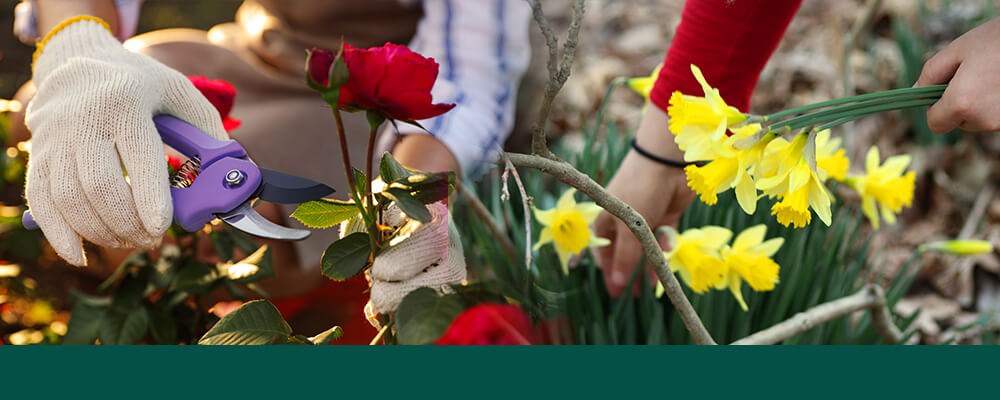
There is nothing quite like the sweet smell of spring-flowering blooms to bring a little something extra special indoors. And while anyone can make a quick trip to the grocery store to pick up a bouquet of cut flowers, it’s much more satisfying to grow them in your own garden! There are a few tricks to the trade when it comes to how to help cut flowers last a little longer, though. In some cases, we don’t cut them at all. Rather, some flowers are best picked or pulled. Read on to learn the in’s and out’s of all three options.
How To Decide Which Flowers to Cut, Pick, or Pull
While we tend to pick flowers more than we cut them, there are indeed some perennials which we cut. Gladiolus, for example, are good flowers to cut while also leaving behind as much foliage as possible. The foliage on both spring and summer-flowering bulbs acts as solar collectors. By cutting their flowers, more of the energy that the foliage collects from the sun gets sent back into the bulb to prepare for the following season’s growth.
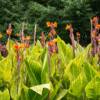
Dahlias are another bulb that does well when cut. Flowers like Daffodils, on the other hand, are best when picked. Tulips, Hyacinthoides, Hyacinths, and Calla Lilies will survive the longest when pulled.
Remember is to pick your flowers when the weather is a little cooler, ideally either in the morning or in the evening.
How To Cut Flowers
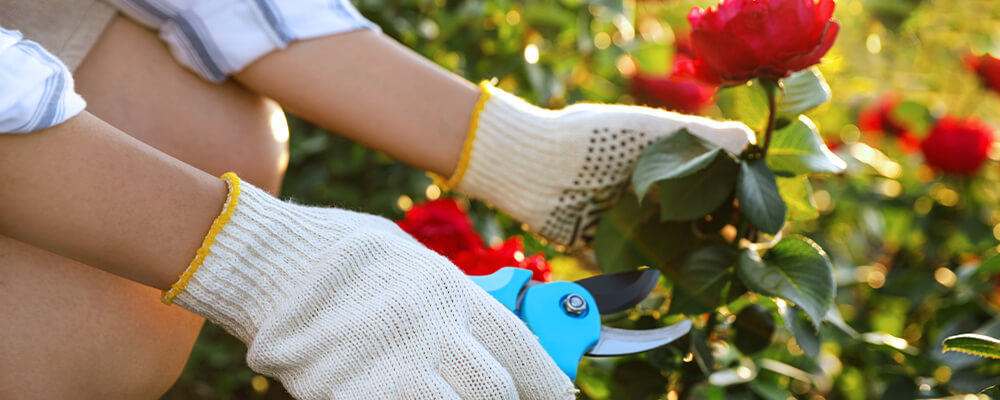
If you are cutting flowers like Gladiolus or Dahlias, try your best to get the cut flower into tepid, clean water as soon as possible. The stems of flowers move water up to the flower and foliage and then take nutrients back down to the plant’s bulb or root. Once cut, they tend to dry out and seal off fairly quickly, so you want to get them in water as soon as you can. If, for whatever reason, you are unable to, once you get them inside, remember to cut off a bit of the bottom of the stem, so they are able to open back up again.
If you’re wondering how to cut a flower stem, A good rule of thumb to follow is to cut them at a 45-degree angle about an inch from the bottom of the main stem. This will help the stem absorb more water. Also, be sure to use sharp, clean shears (not your kitchen scissors!). The sharper the tool, the less likely you will be to crush those little tubes within the stem that move water and nutrients back and forth.
Picking Flowers
One of the reasons we avoid cutting flowers a lot of the time is because sometimes flowers can carry different viruses or diseases which can be passed from plant to plant on the shears when cutting. This is why we do recommend picking or pulling where possible, as it eliminates that risk.
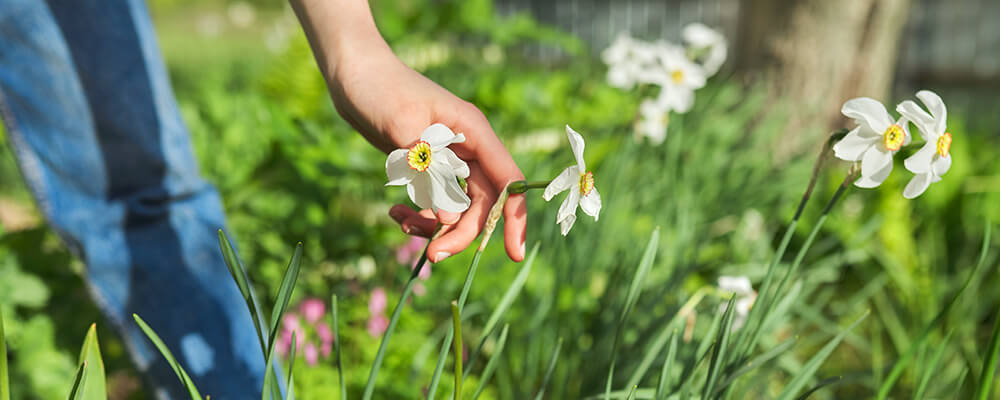
Daffodils, for example, will last longer in bloom when picked versus when they are cut. When picking Daffodils, there is a bit of a technique to it. Run your forefinger down to the base of the stem, parting the leaves, press the stem between your forefinger and your thumb, twist, and then snap the stem off. The very bottom of the stem should be white, which is where it seals in the water that the stem absorbs, helping the flowers last longer.
Daffodils do tend to ‘bleed’ a fair bit, particularly after it has been raining, so it is ideal to hold the picked plant with the flower facing downward. Once you have picked as many flowers as you would like, wrap a rubber band around the stems and again, get them into tepid water as quickly as possible. Your blooms will last longer!
Another good tip to remember is to pick your flowers when the weather is a little cooler, ideally either in the morning or in the evening. Picking flowers is a little stressful on the plant, and the added heat stress can make it harder for them to recuperate.
Pulling Spring-Flowering Bulbs
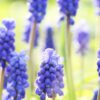
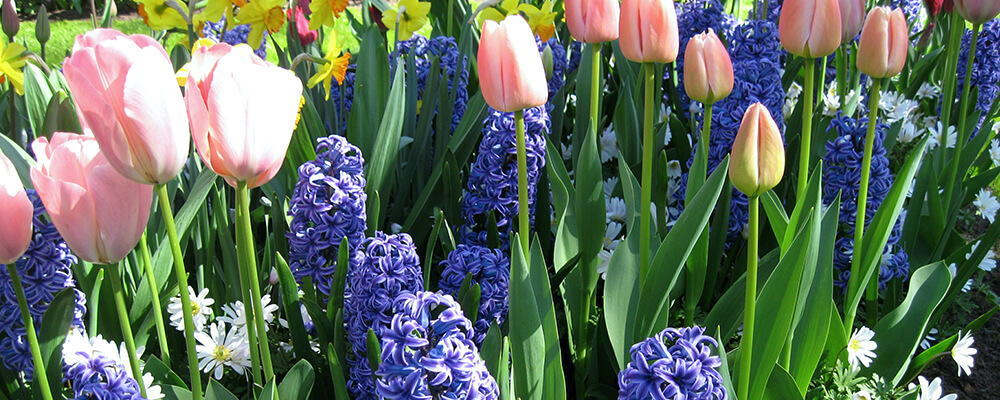
Flowers like Tulips, Hyacinthoides, and Hyacinths do well indoors when they are pulled, rather than being picked or cut. You will end up with much longer stems this way! Timing is everything when it comes to pulling spring-flowering bulbs, though.
The best time to pull (or pick) is when the petals of the flower are just beginning to unfurl. You can also pull or pick as soon as color starts to show through the bud, but you don’t want to wait until the flower has fully developed as they become much more fragile.
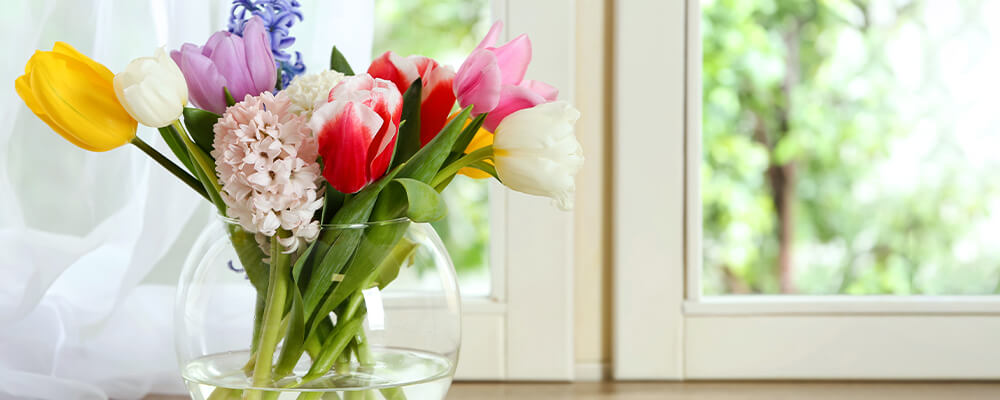
What to Do After Cutting, Pulling, or Picking Spring-Flowering Bulbs
Use a Clean Vase: In order to keep your beautiful cut, picked, or pulled flowers fresh for longer, you’ll want to reduce the risk of bacteria or disease in the container you choose to keep them in. If you scrub your vase or container with a mixture of one part bleach to ten parts water before placing your newly cut flowers in it, you’ll significantly reduce the chances of them encountering harmful bacteria.
Cut back foliage: Cutting off extra leaves or foliage is important for a couple of different reasons. First, it will allow the flower to focus its energy on keeping the bloom around as long as possible rather than sending energy into the foliage. Second, it will reduce any unwanted odor or bacteria in the water.
Swap your water out every two to three days: Again, you want to reduce the build-up of bacteria, and clean water is one of the best ways to do this. When you swap your water, it is also a good time to cut back your stems a little bit to help keep water flowing to the bloom.
Picking, pulling, or cutting flowers allows you to bring the beauty and fun of your garden indoors to enjoy all day and night long. And, now that you know the basics of how to do it – you’ll be able to make those beautiful blooms last even longer!