

Variety is the spice of life, but strong themes can make a bold statement! If you’re wanting to create a standout garden that has an obvious theme or if you have a favorite color that you can’t get enough of, monochromatic gardens are a great way to practice some strategic gardening and create an impactful, beautiful space.
What is a Monochromatic Garden?
Although everyone has different perceptions of color, a monochromatic garden generally refers to a garden that is made up of one color or varying shades within a color. Brent prefers technicolor gardens with high contrast and a lot of variety, but Becky has many monochromatic and themed gardens! There’s definitely room for both of these styles in any landscape.
Monochromatic gardens don’t solely rely on the flowers for the color either—the foliage you plant can contribute substantially to the aesthetic! You can use red-leaved plants in a crimson garden or yellow-edged foliage in a sunshine garden.
You can plan your garden to be monochromatic for one season, or you can slowly work at planting a multi-season garden. Remember, it can take a couple of seasons to get your garden looking exactly how you like, but gardening is a game that you have to keep going with to get it just right!
Themed Monochromatic Garden Concepts
If choosing one color and sticking to it seems like too big of a jump from a mosaic garden, try choosing a couple of colors and creating a theme instead.
For example, Becky has a “liberty” garden that has a theme of red, white, and blue. She also has a “purity” garden that has mostly white blooms and white-edged foliage. Her “crimson” garden includes a wide range of shades, from dark pinks to purply reds. The whole spectrum of one color shade can inform your garden and make it appear monochromatic while still having a lot of depth, texture, and variety.
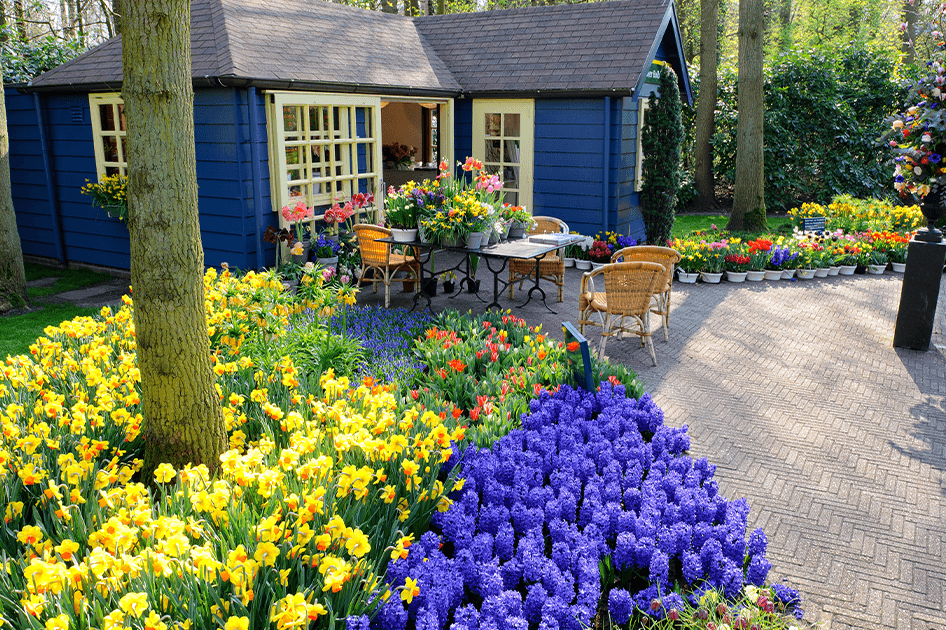
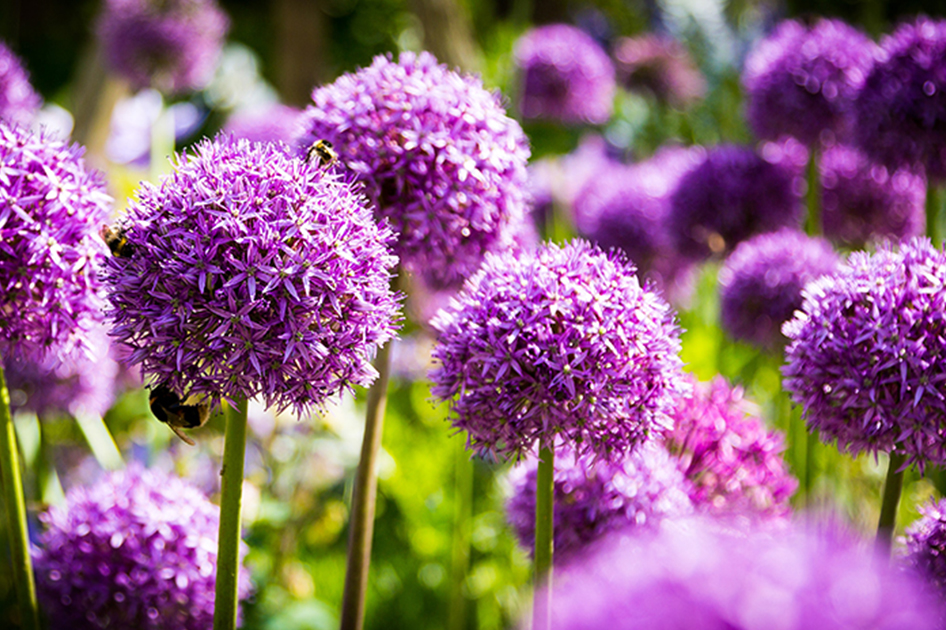
You can also use color echo when designing your garden, where flowers pick up the colors of each other to create a sense of harmony. A yellow bloom placed next to a white bloom with a yellow stamen can make the yellow in the white bloom more prominent! You can have multiple colors of blooms and still create a cohesive monochromatic impression!
How to Grow a Monochromatic Garden
A garden is not made in a day—be patient with the process! Start by thinking about which color (or theme) you’d like to plant.
If you want to have a monochromatic garden all season, consider planting for blooms in each phase of the season: spring, late spring, early mid-season, mid-season, etc. This will not only make sure that you have a vibrant garden all season long, but it will also add variety over the growing months!
Refer to our catalogue to order bulbs by season for a good start. You can start making a garden lasagna, layering bulbs with perennials—the bulb foliage will cover maturing perennials and vice versa.
Sample Yellow Bulb Garden
Yellow is the first color your eyes separate from the color spectrum; that’s why school busses are yellow! It is a bright, attention-grabbing, and happy color that will be sure to make your garden that much more enjoyable.
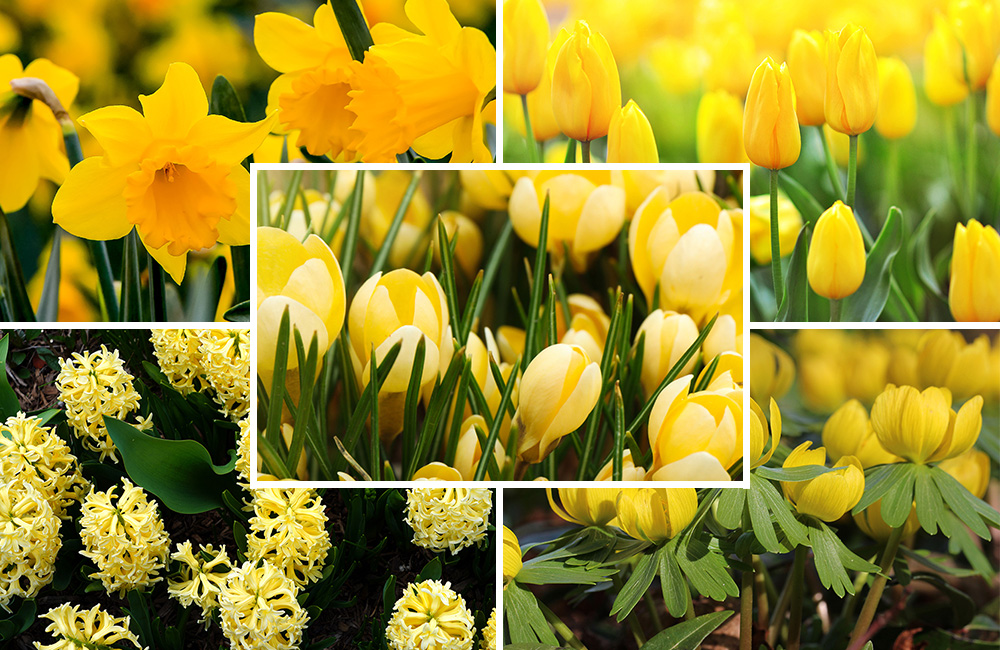
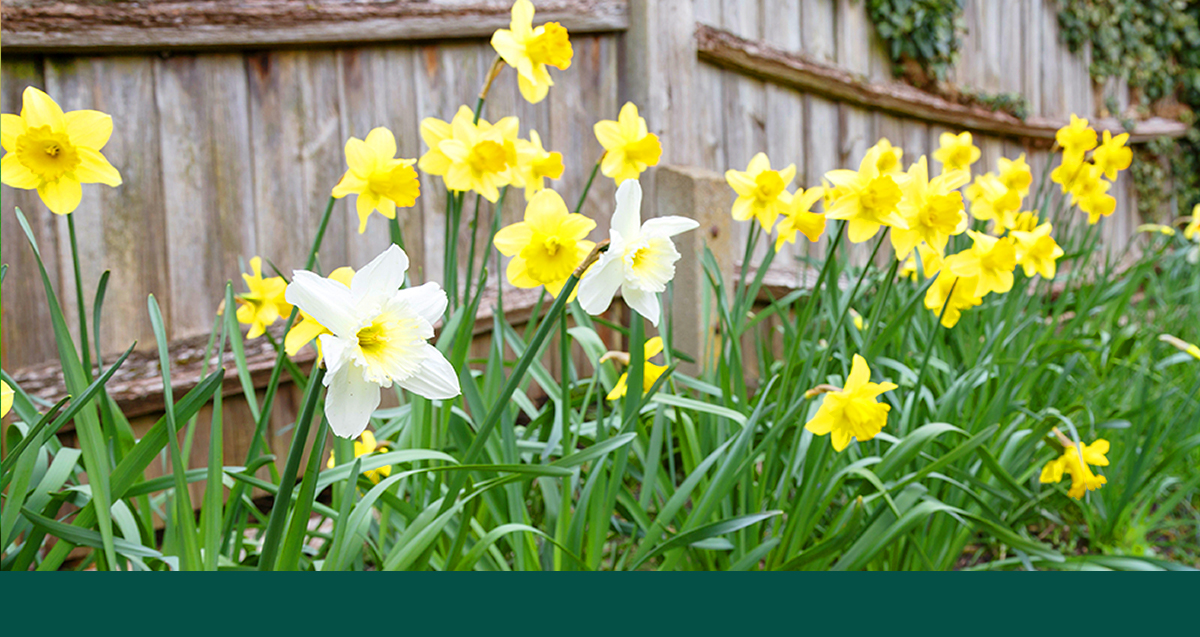
For a yellow garden, start in the early spring with yellow Crocus’ and yellow winter Aconites. You can also add early yellow Daffodils, and early Tulips. For mid-season blooms, plant mid-season Daffodils, Tulips and Hyacinths, all in yellow. By planning ahead and adding over a couple of seasons, you’ll be able to enjoy gorgeous blooms of many varieties all season long.
If monochromatic gardens sound like something you’d like to try, start by checking out our bulb catalogue so that you can start early and plant for spring blooms. Remember to have fun playing in your garden!