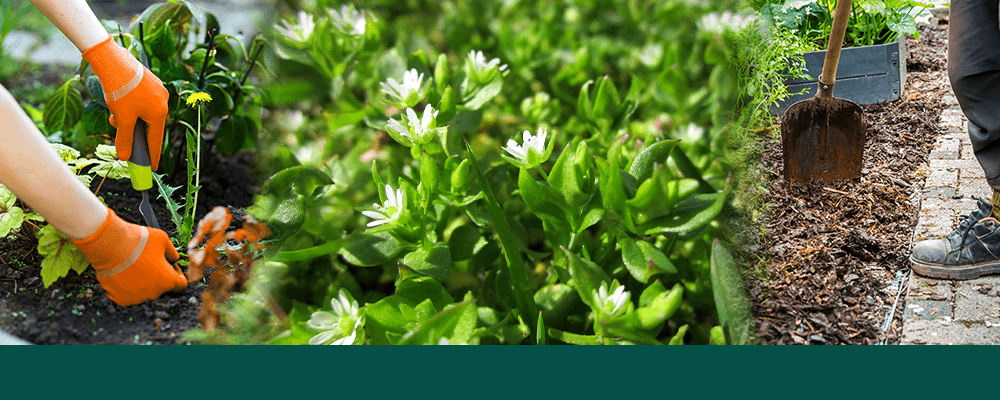
Let’s face it; weeding is one of the less desirable ways to spend time in the garden, and sometimes it can be tempting to just turn to chemicals to get rid of those annoying weeds the quick and easy way. But, while chemical herbicides may be commonly used, there are other ways. They can have a negative impact on groundwater, the health of your soil, and any people or animals that come in contact with them, and we prefer a more eco-friendly approach to gardening.
Luckily, there are actually a whole host of ways to avoid endless hours of weeding without using chemicals in your garden, including preventative measures, natural remedies, and a few little tips and tricks of the trade that we would love to share with you. Keep reading for our suggested methods to avoid using chemicals in your garden, and avoid weeding at all hours of the day.
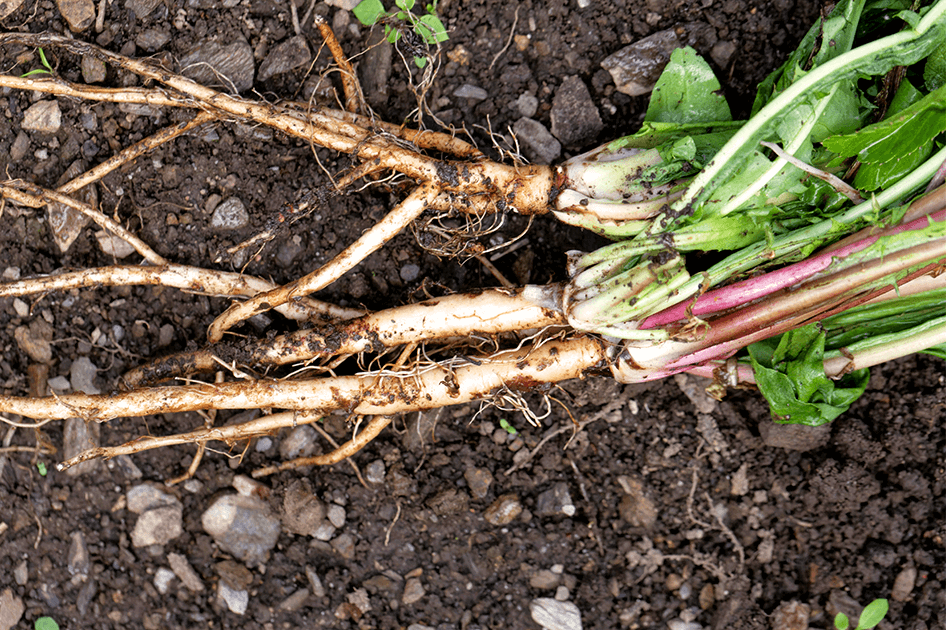
While there is no doubt that weeds are annoying, they can also be a very telling indicator about something else going on with your soil. They tend to appear as a symptom of soil that needs repairing, and in many cases, show up to aid in that repair process. An excess of dandelions, for example, often indicate compacted soil that is lacking in necessities like water, air and nutrients. Their deep, strong roots actually help break up the soil and get easier access to what it needs. It doesn’t make them any less unsightly, but by paying attention to them and what they might tell you about your soil, you’ll be better equipped to help your soil recover.
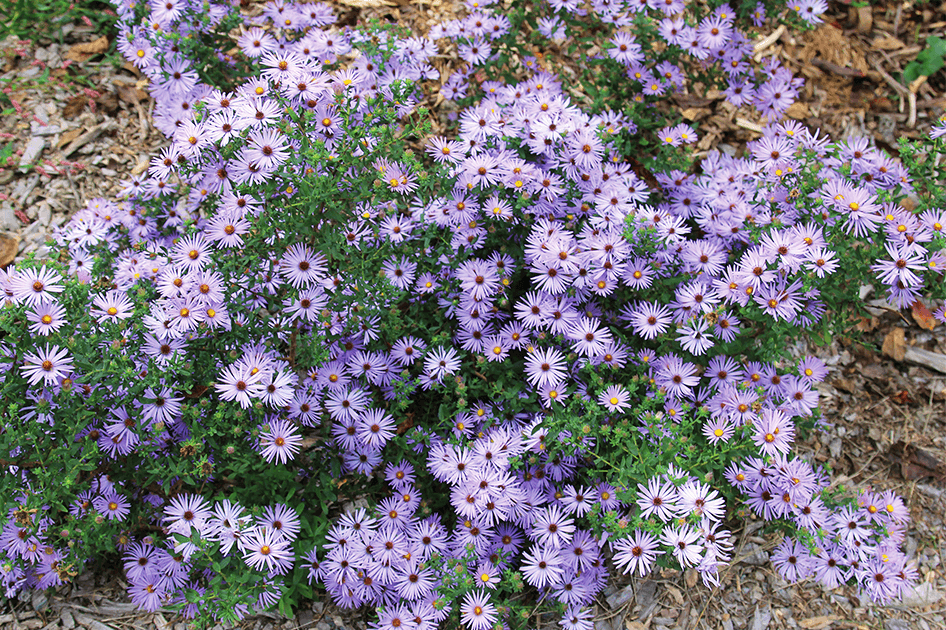
Weeds love bare soil! By planting your garden so that you have fewer empty spaces, you give weeds less opportunity to call your garden home. If you don’t love weeding, and you don’t like using chemicals in your garden, then plan to avoid bare soil as much as humanly possible. While you don’t want your plants competing for sunshine, you do want plants to grow a relatively dense, healthy root system, as it will help to choke weeds out.
By selecting different heights of plants, you can build layers that will shade the soil, making it a less welcoming environment for weeds. Groundcovers that you enjoy in your garden will also reduce the need for weeding and allow you to keep those pesky weeds at bay without using chemicals. In a veggie garden, you can plant low-growing crops around taller plants to help cover the soil.
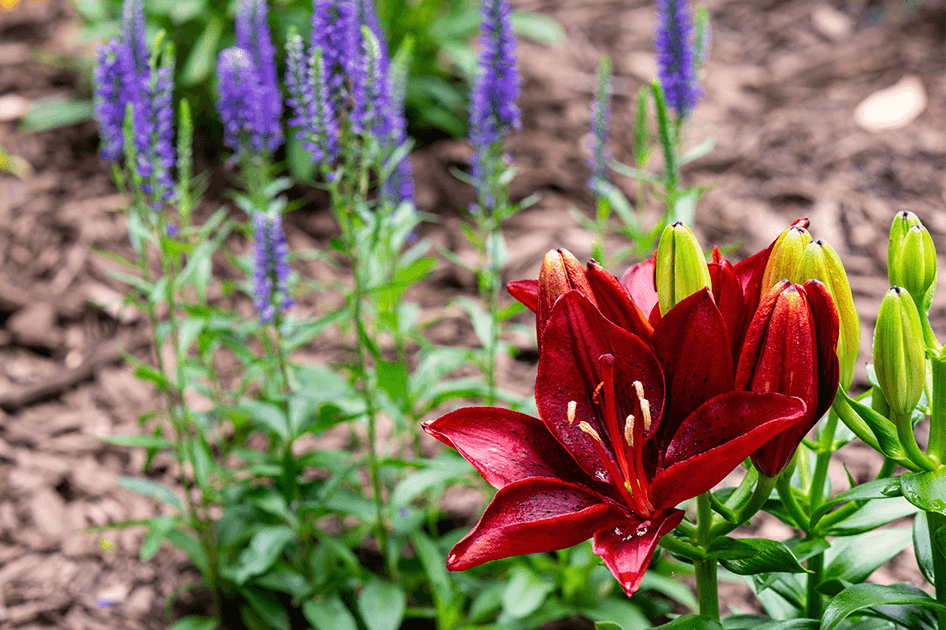
If you’re not a big fan of the look of crowded gardens (or even if you are), mulch is one of the easiest and most effective ways to avoid weeding without using chemicals. It is best to add a layer of mulch to your garden as early in the season as possible before their seeds germinate. The reason why mulch is so effective is that it helps to block light from reaching the soil, making it a relatively inhospitable environment for weeds. It is important to avoid mulching until you have removed all existing weeds in the soil, though, as they may end up creeping through it later in the season.
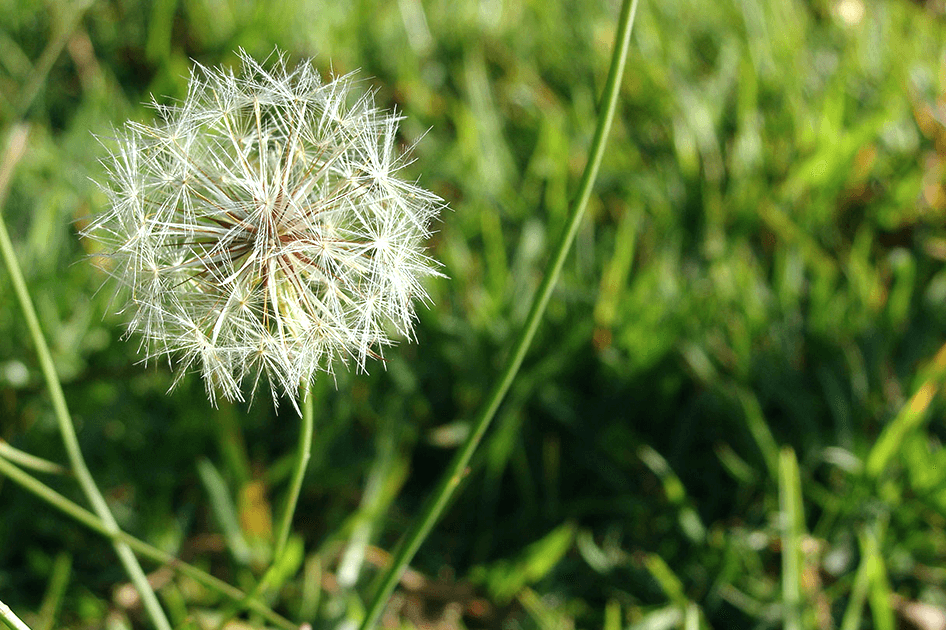
It sounds a little aggressive, but it is yet another easy, effective, natural method of chemical-free weed control. Even if you don’t have time to dig out all of your weeds from the root, by cutting weed flowers and seeds before they have a chance to reseed, you reduce their spread.
While you won’t be able to avoid manual weeding altogether, you can certainly get the problem under control without employing chemicals. In addition to these practices, there are also some wonderful natural and organic herbicides on the market to choose from these days.
Have fun and go play in your garden—even if it means weeding every now and then. You will be amazed and pleased at how much more you will see while editing a few weeds out of your garden—and perhaps some of those weeds can be welcomed as pretty garden visitors instead of invaders.










Welcome to Brent and Becky’s website.
If this is your first time visiting our website, please register prior to logging in. Please feel free to call our toll free number 1-877-661-2852 for assistance.
Once you have registered, any subsequent visits will only require you to log in.
Thank you for visiting Brent and Becky’s!!


| Icon | Description |
|---|---|
 |
Pollinator friendly plants, may include butterflies, bees, hummingbirds, beneficial insects and more! |
 |
Long bloom time |
 |
Resistant to critters, may include deer, rabbits, voles, etc. |
 |
Those items that are known to be inedible to critters |
 |
Drought tolerant once established |
 |
Full sun |
 |
Part sun |
 |
Shade |
 |
Fragrant flowers and/or foliage |
 |
New item for this season |
 |
A favorite of Brent and Becky’s as it has consistently performed well in the gardens year after year |
 |
Available again this season after being gone for a while |
 |
Denotes an item that is shipped as a plant in a 4″ pot and may have extra shipping charges |
 |
Indicates any items that have special cultural requirements. We will send cultural instructions with your order so you will know how to properly plant and take care of all of the items you have purchased. |
 |
Has been awarded the Wister Award. |
 |
Have been awarded the Pannill Award. |
| whz | Winter hardiness zone, if you live in a planting zone that is indicated, then these items should be perennial for you. |