


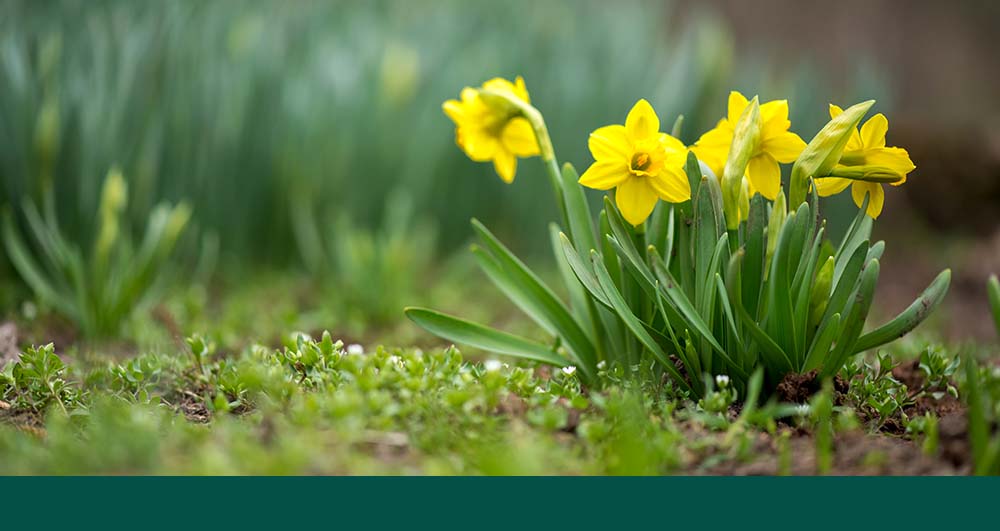
Who doesn’t love little rays of sunshine all around your yard? Daffodils are lovely, come in many colors, and are resistant to pests. Here are the facts on how to grow your daffodils this year.
Pollination Isn’t the Main Source of Spreading
Daffodils are such exceptional flowers that they don’t have to rely on traditional multiplication methods. Their pollen is so heavy that it can’t be windblown and not scented enough to attract pollinators. It’s pretty rare that pollination happens naturally! If you want to hand-pollinate your blooms, it’s possible, but it will take you a whole 5-7 years to see your first bloom.
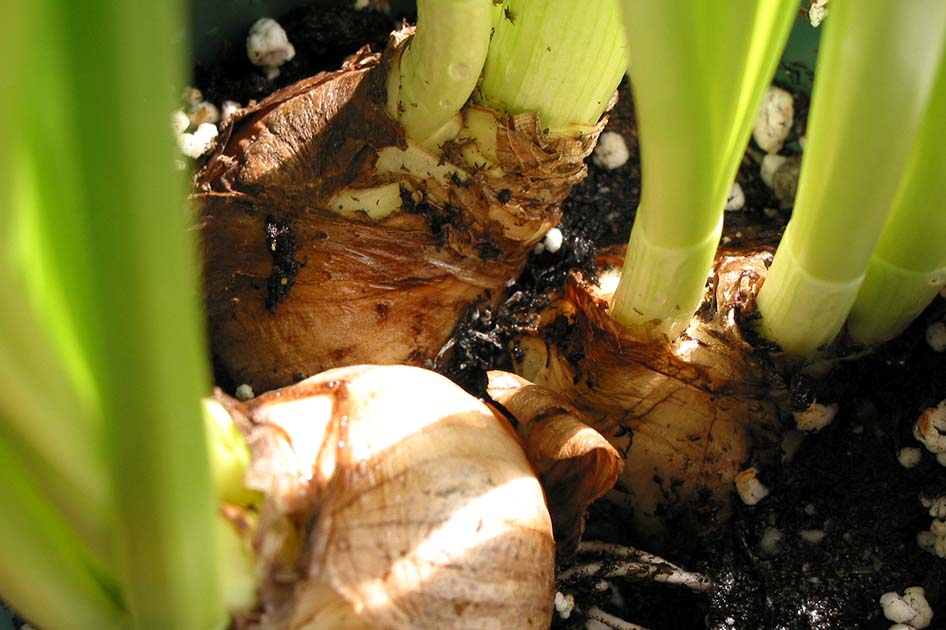
The second way that daffodils spread is by bulb division. The original bulb forms a “daughter” bulb underground, which remains attached to the original bulb while it grows and matures. Eventually, you can dig up the cluster and remove some daughter bulbs to replant elsewhere in your garden. If you don’t separate them, they’ll just keep growing in the same cluster, giving you a robust plant with dense foliage and many blooms!
Lackluster Does Not Mean Overcrowded
One of the biggest misconceptions about daffodils is that if your daffodils show signs of distress, it means they’re overcrowded, but this is not true! Daffodils do very well in crowded clusters, but they require more nutrients to thrive because more bulbs are soaking up nutrients from the soil.
If your daffodils need a bit of a lift, feed the bed with 2-3 inches of organic compost in the fall. This will give them all the energy they need for the dormant season so that they can come back vibrant and beautiful in the spring! Keep in mind that organic fertilizer will give you long-term results rather than the fast, caffeine-like boost of chemical fertilizers.
Dividing Your Bulbs Isn’t Going to Harm Them
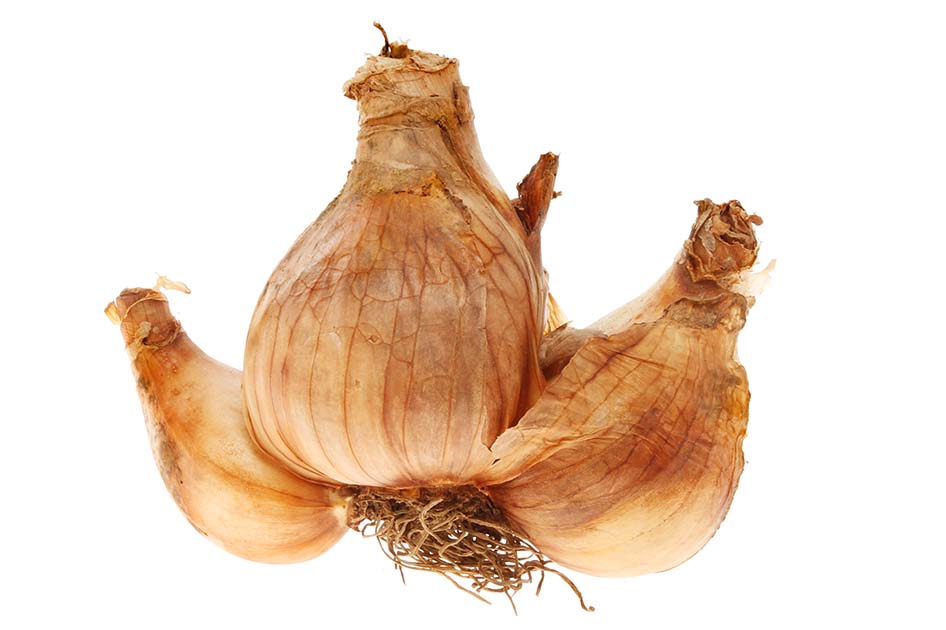
If you want to spread out your daffodils and let them keep on growing in different areas of your yard, it’s pretty easy to do! About eight weeks after the blooms are finished, use a shovel and gently dig around the daffodil cluster. Be careful not to damage it. Gently shake off the excess dirt so you can see each of the bulbs. To divide, grab one of the new bulbs and twist and pull it away. If it’s clingy, it might just not be ready yet, so don’t force it! It’ll be healthier, stronger and ready to be independent in a year or two.
If any of your bulbs feel soft or mushy, throw them out or add them to your compost. Now, you’re ready to transplant.
Storing and Transplanting Daffodils Aren’t Just for the Experts
Daffodils grow best when planted in the fall, so if you have some time in between division and replanting, you’ll need to store them properly. Simply store them in a dry, shady area with good air circulation. You can lay them out on a screen or in mesh bags. Dust off any excess soil and trim the dead stems. Keep them in a warm, dark and dry place until you’re ready to plant!
To transplant, wait until the foliage has begun to yellow. Dig a hole three times the bulb height deep; the bulb and the white part of the stem should be below the soil line. Let the foliage die or cut it back, then let the bulb be! Don’t water it as the plant is dormant at this phase, and excess moisture will only lead to rot.
If you’re excited about growing daffodils and need some bulbs to get yourself started, check out our seasonal catalogue for more information. We have daffodils for sale and much more!