


Care & Maintenance of Summer-Flowering Bulbs & Perennials
By: Brent Heath, Co-owner, Brent & Becky’s
We’re in the peak of summer blooming right now, and you may be beginning to wonder what to do with your summer flowers when they are finished blooming. Well, to make it a little simpler, let’s walk through some of the most common bulbs and perennials and discuss what we can do to make the most of them this year and for years to come!
Agastache
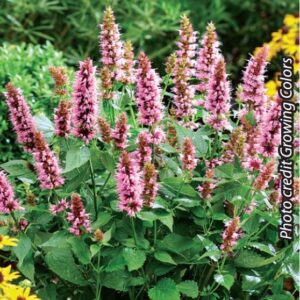
Also known as Mexican Hyssop, Agastache is a fantastic pollinator plant, drawing in many different pollinators to the garden. But if you let them go to seed after blooming, you may be missing out on a whole other set of blooms to come! As they finish blooming, cut the old blooms off and they will start new bloom spikes so you can enjoy the second round of fantastic color and texture.
Perennial Allium
Much like Agastache, Perennial Allium (Ornamental Onion) is another great pollinator plant that can benefit from deadheading in the heat of the summer months. Double your bloom time by taking the old blooms off once they are faded for a second set of blooms.
Alocasias
Alocasias are bigger tropicals that are tougher than nails and love the heat of summer. So, there really isn’t anything you need to do for these eager growers other than giving them enough water. We tend to kill plants with kindness by giving them too much water. But, in good soil, amended with compost, once a week is adequate.
Asclepias
When it comes to Butterfly Milkweed, or Asclepias, it’s very important that if you want a longer bloom in the season, they’ll need deadheading after the previous blooms have faded. However, the one time you won’t want to deadhead them is if you want these bulbs for naturalizing—that is, you want them to set seed so you can have more of them. Asclepias typically don’t rebloom quite as well after the first initial bloom of the season, so I often leave the seed pods to mature so I can reseed them instead.

Bletilla
Bletillas—also known as Hardy Orchids or Japanese Orchids—are hardy to the mid-point of the country and offer seed pods that are very attractive. However, most orchids take a long time to come from seed, given how small the seeds are, so it’s better to just deadhead them. When you let most bulb flowers go to seed, 30% of the plant’s energy will go toward making seeds when, really, we want that energy to go back into the bulb to make more flowers for next year. So, while you may not see a second bloom this year with deadheading, you will see a much stronger bloom next year.
Caladiums
Some like it hot, and Caladiums are one of them, so it’s important not to plant them too early. It’s also important to keep them well watered. If they dry out, the leaves become discolored and not very pretty to look at. But sometimes, if you take the old leaves off, they will regenerate if they’ve got good moisture!
Cannas
Cannas are an interesting plant because they love moisture and will even grow in the water. However, they are a little problematic in that they do have some insects that damage them. But, luckily, they are such strong growers that when the leaves become damaged, you can go ahead and cut them off and they’ll send up new foliage!
Colocasias
As with Cannas, Elephant Ears—or Colocasias—will take a lot of moisture and can even grow in damp areas or pots submerged in a pond. They’re very moisture-tolerant and don’t like letting their leaves dry out. If that does happen, they aren’t very attractive to look at, so deadheading may be needed.
Crinums
Crinums are wonderful in the southern half of the country and are excellent cut and come again flowers, meaning that if you deadhead their spent blooms, they’ll come again! If you let them go to seed, they’ll think they’ve done their job and they’ll stop blooming, so trim off spent blooms often.

Dahlias
Dahlias bloom nicely in cooler climates all summer long and are a great choice for pollinator planting. However, in the heat of the summer, they don’t bloom quite as well, particularly if they don’t get adequate moisture. Throughout the summer, dahlias will need moisture about twice a week and should be deadheaded regularly, as they are also cut and come again flowers.
Eucomis
Pineapple lilies (Eucomis) are amazing because not only are their flowers highly attractive, but once pollinated, their calyxes—the seeds they form—are just as attractive as the flowers! This gives them a very long period of being attractive, even if they go to seed. However, if you want more flowers next year, regardless of how interesting they may look, don’t let them go to seed. Take the old flowers away and concentrate energy toward the bulb.
Gladiolus
Typically, we’re still planting Gladiolus this time of year. In fact, if you stagger your plantings every two weeks throughout the season, you can have them blooming for most of the summer. Just be sure to plant them in full sun and plant a little deeper than normal to help them stand up straight without falling over.

Gloriosa Lily
Gloriosa Lilies are amazing because they open to bright yellow and red blooms that, as they mature, turn dark red. They are fantastic rebloomers if you remove their spent flowers, so just as they begin to deepen in colour, trim them off for continuous blooms all summer long.
Liatris
Liatris is a unique bulb, as it’s a native American bulb, of which there aren’t many! They make excellent cut flowers and pollinators love them, particularly butterflies, but they do not effectively rebloom after deadheading. However, it takes much too long to grow them from seed to bloom, and it’s much easier to simply buy new bulbs or deadhead to save energy for next year.
Lilies
Lilies are so fantastic, beloved by pollinators and people alike! They’re another bulb bloom that will benefit from deadheading, and it’s important that, in doing so, you are removing the ovary—the seed case—to focus the energy toward the bulb, again. I particularly recommend using their picked flowers as cuttings in the house! Just remember to take the stamens off, as the pollen can be quite staining.

Mirabilis
Mirabilis are commonly known as “4 o’clocks” for their nature of blooming later in the day, however, we find that they really don’t bloom until much later, so we’ve given the new nickname of “8 o’clocks” instead. Regardless of what you call them, though, they are all-summer bloomers and they do reseed quite readily, so if you don’t want them to seed about in your garden, I recommend deadheading them for that purpose alone.
Phlox
If you’re looking to keep your Phlox more compact and manageable in your summer garden, we recommend cutting them back by about ½ by the 4th of July. That way, when they bloom, they’ll bloom a little later and be quite easy to manage.
Polianthes Tuberosa
Tuberoses—or Polianthes Tuberosas—are certainly the ones we get the most calls about throughout the summer. It seems people are always hoping they’ll bloom earlier when they typically won’t bloom until September or October. But, patience is well worth it for their amazing fragrance! And there’s no need to deadhead, as the frost will get them before they form seeds.

Salvia
My Salvias have been in bloom since about late April here and every few weeks, I shear the old flower heads off and they’ll rebloom quite nicely.
Veronica
Veronicas are another perennial that bloom quite well, but if you let them go to seed they won’t rebloom. They’re another cut and come again bloom.
Zephyranthes
An interesting member of the Amaryllis family, Zephyranthes is also known as the Rain Lily, named for the fact that they are triggered to bloom by the ozone from a thunderstorm. So, every time we get thunder and lightning, these blooms will come again all on their own! They don’t effectively reseed here but do multiply quite rapidly by division.

No matter what it is you’re growing this summer, just remember that it’s fun to get out and have wonderful, personal contact with your plants. You’ll see a lot more when you’re out there interacting with them and you’ll be able to keep tabs on what your plants need and when!