


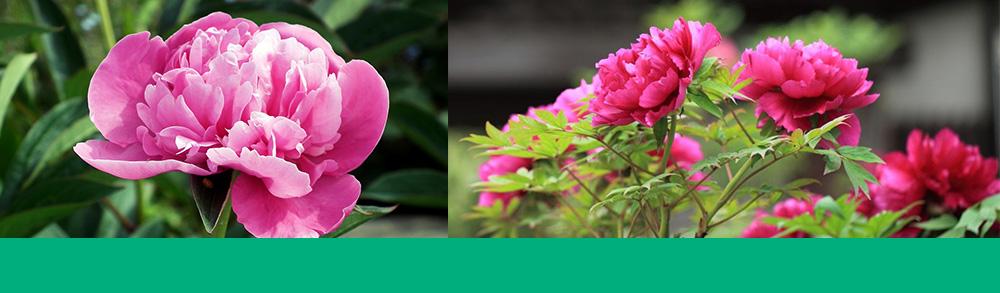
Peonies
By: Brent, Co-Owner, Brent & Becky’s Bulbs
Show-stopping blooms that are always sure to steal the spotlight in a garden, peonies are spring- and summer-blooming classics beloved for centuries and continued today. Their layers upon layers of petals captivate us and draw us in, making them an understandable staple in gardens across the globe for their beauty.
The History of the Peony
Throughout history, the peony has played a part in almost all facets from life, from ancient to modern times, medicinal to ornamental use. Named after the mythical physician of the gods, Paean, the peony was traditionally grown for what the ancient Greeks thought to be powerful medicinal qualities. It was believed the roots of the beautiful bloom were used to heal the god of the underworld, Hades, after Heracles fatally wounded him.
While the flower became less known for the supposed medicinal properties, it grew in favor of its natural beauty. Beloved throughout Europe, it also holds a special place in the hearts of the Chinese, too, where it still reigns as a national emblem of the country. With its Chinese name translating to “flower of riches and honor,” it is a symbol widely used in art spanning all the way back to 1000 BCE. It held a particular place of power in the Imperial gardens of several dynasties, where the best flowers cultivated were used to collect princely sums.

Planting Peonies
With the potential to live up to 100 years, planting a peony isn’t just a gift for this generation, it is one for your children and their children, too. Despite their almost otherworldly reputations, they’re actually pretty easy to care for, and the aesthetic payoff is well worth it!
It’s important to choose your planting site wisely before planting peonies, as they hate being transplanted. Give them plenty of space to grow out — about 2 feet on each side — and only divide when absolutely necessary to prevent stress.
Plant peonies in full sun. They won’t bloom unless they get several hours of sun every day, and the added exposure can help to prevent botrytis, also known as grey mold. This fungus grows in cool, damp conditions, so the sun will help keep leaves and buds warm and dry for optimal performance. It’s also good to plant them in a slightly elevated location, where the roots will be a bit warmer in spring, which can help wake them up sooner. An elevated position also provides better drainage to prevent root rot.
Plant your peony tuber so that it is about 1 inch below the surface in loose, well-draining soil that is rich in organic matter. Don’t plant too deeply, as the plant will grow, but not bloom. Peonies prefer soil with neutral to slightly alkaline pH. Make sure the eyes are facing upward, and backfill the soil lightly on top. Gently tamp the soil down and water thoroughly to settle it in.
Growing Peonies
Peonies will bloom in late April to early June, depending on zone and the sun exposure and warmth they receive. They particularly hate wet feet and shouldn’t need any supplemental watering if there’s plenty of rain. However, in the first year while it is establishing, take care to check the soil occasionally to ensure it has enough moisture.
While you may be excited to watch your peony prosper with lush blooms as soon as you’ve planted them, you’ll have a much stronger and longer-lasting bloom if you spend the first year coaxing energy toward rooting, rather than flowering. To do so, simply nip off any buds you see throughout the season and enjoy a more bountiful bloom for years to come!
As your peonies grow, make sure to add supports early each spring. The large flowers can become quite heavy, particularly after a rain, making the plant droop—and even causing damage. A peony ring support placed around the plant in early spring will keep your peonies upright. (Add it early, as it’s easier to allow the branches to grow through the ring than wrestling a large plant into a support.)
Peonies are a particularly resilient variety – hardy to USDA Zone 3 — and typically do not require any special overwintering once established. The only thing to remember is to cut back foliage to about 8” off the ground in fall and clean up fallen petals and leaves. Then, water well just before the freeze to insulate the tuber. Peonies do require a cold period each winter for flowering and do well through zone 8.

Ants and Peonies
If you’ve ever grown peonies yourself — or have known someone who has — you’ll know that where they bloom, ants can’t be far behind. Peonies are chock-full of sweet, sugary sucralose that seeps from the buds just before they bloom, which greedy, little ants can’t resist. While they come in abundance for budding, the good news is once the blooms appear and the sweet treat is gone, so are the ants.
While some believe that peonies actually need the ants to grow, that couldn’t be further from the truth. Sure, the ants enjoy their sugary snack, but the peonies will continue to bloom without them, so don’t feel bad about swiping the persistent pests away from your soon-to-be blooms.
The classically beautiful peony is a beloved blossom that‘s just right for adding that je ne sais quoi to your garden. Plus, they truly pack a powerful punch as a cut flower in an arrangement that celebrates the beauty and joy of spring!