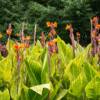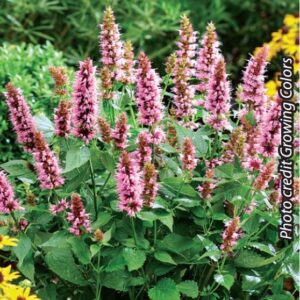


When a plant produces a flower and the flower fades or dies, cutting off the spent flower is called “deadheading.” If you’ve never deadheaded your garden plants before, or if you’re unsure of how to do it properly, read this tutorial to learn the basics!
Why Is Deadheading Flowers Important?
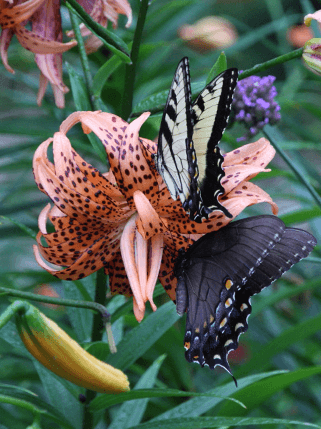
We have many different types of bulbs and perennials in our summer gardens. When those flowers are visited by bees and other pollinators, it often encourages the flowers to go to seed. It takes 30 percent of the plant’s energy to grow that seed to maturity—that is nearly 1/3 of the plant’s energy that could instead be directed towards creating flowers for the following year! By cutting off the spent flower, you’re helping ensure that your garden will be blooming brightly with plenty of flowers again the following year.
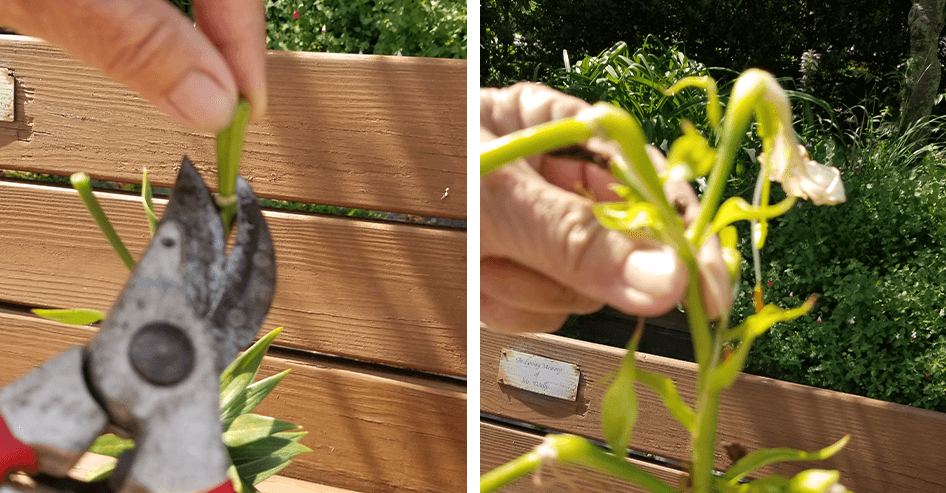
How to Deadhead Flowers Properly
For flowers like lilies, which bees, butterflies, and birds love to visit, their flowers will most certainly be pollinated. Some lilies have one flower per stem, so cutting right behind the flower or the seed pod is sufficient. Some lilies produce a “top full of flowers,” which you can quickly and easily snip off. While lilies do not rebloom, cutting the spent flower will help the plant conserve energy to produce even more lovely flowers next year. Leave as much of the stem as possible, as it acts like another green leaf, helping to gather and store energy for next year’s flowers.
Encouraging Reblooming Through Deadheading
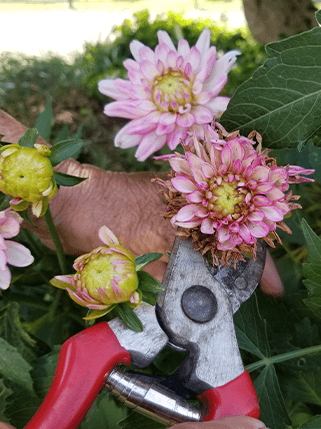
Some flowers, like dahlias, are “cut and come again flowers.” Deadheading is necessary because if you don’t cut the dead flowers off, the plant will stop blooming altogether. It’s like they’ve assumed you must not want any more flowers, so they won’t bother to flower again! We like to call dahlias “Love Flowers” because if you cut their blooms while they are still fresh and beautiful, you can give them away to someone special, and your plant will keep on making more and more flowers!

Many perennials also are “cut and come again flowers,” like Geranium’ Rozanne’ and Veronica’ Royal Candles.’ While they won’t continue reblooming until frost like dahlias often do, they will rebloom one or two more times after you’ve removed their spent flowers.
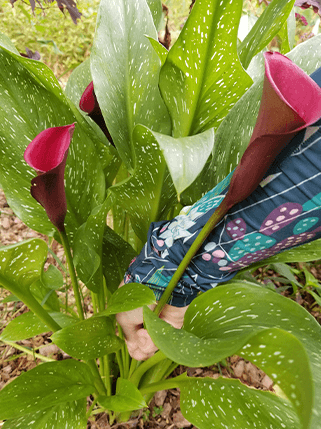
Some flowers, like Alstroemeria, Bletilla, and Zantedeschia (Callas), will rebloom if you harvest the flowers with a special technique. Instead of cutting the stems with clippers, reach down low on the stem, and with a gentle tug, the whole stem pulls from the root base. This encourages a healthy plant to send up another stem with a flower. Again, it won’t continually send new shoots until the frost, like the dahlia, but you can expect one more round of flowers to create more beautiful DIY bouquets.
If you have any further questions about proper deadheading techniques, you’re welcome to contact us on our website, and we’ll gladly give you some pointers! Feel free to start planning next year’s garden and explore all our spring-blooming bulbs that are ready to plant in the fall.